A practical guide to your dog’s skin health from Heronden Independent Vets
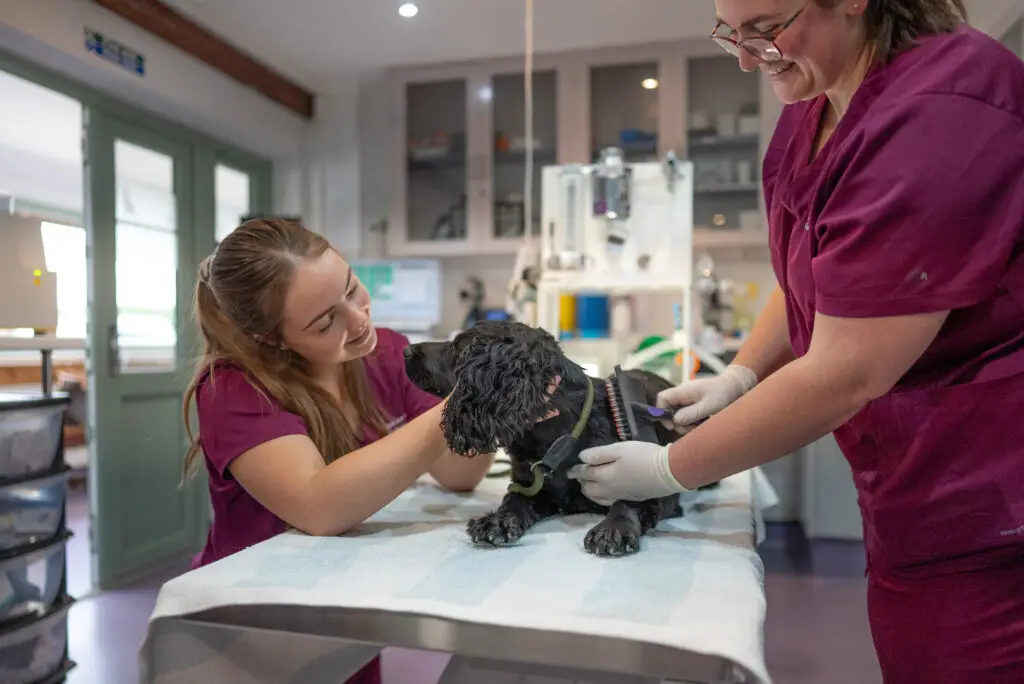
This week we had several furry friends in with skin problems.
Skin problems are one of the more common reasons dogs or cats need veterinary attention. Some conditions cause mild irritation, while others can become chronic and have a real effect on a dog’s comfort, behaviour and day-to-day wellbeing. A dog who is itchy, sore or losing hair is not simply being fussy. Their skin may be giving an early signal that something needs looking at.
At Heronden Independent Veterinary Practice, we are based in Tenterden, Kent, and care for dogs from the surrounding countryside and nearby communities. For pet owners searching for vets in Ashford, Kent, our Tenterden practice is within travelling distance and offers independent, family-owned veterinary care with a focus on continuity, careful advice and getting to know each dog properly.
This article explains common signs of skin problems in dogs, possible causes, and when to contact Heronden Independent Vets for advice.
Early Signs of Skin Problems in Dogs
Skin conditions often develop gradually. Owners may first notice small changes that are easy to dismiss, especially in thick-coated dogs.
Signs can include:
- Persistent scratching, licking, chewing or rubbing
- Redness, soreness or inflamed skin
- Hair loss or thinning coat
- Dandruff-like flakes
- Scabs, crusts or open sores
- Greasy skin or an unpleasant smell
- Changes in skin colour or texture
- Redness around the ears, paws, belly or groin
- Recurrent ear problems
- Restlessness, irritability or disturbed sleep
If signs are persistent, worsening or recurring, it is sensible to contact us. Many skin conditions look similar on the surface, so a clinical assessment can help identify what is actually causing the irritation.
Common Causes of Skin Problems
There are many possible causes of itchy, sore or inflamed skin in dogs. Some are short-term, while others need ongoing management.
Possible causes include:
- Fleas and flea allergy dermatitis
- Mites and other parasites
- Environmental allergies, such as pollen, grasses, mould spores or dust mites
- Food allergy or dietary sensitivity
- Bacterial skin infection
- Yeast overgrowth or infection
- Hot spots or moist dermatitis
- Contact irritation from plants, shampoos or household products
- Ear disease associated with allergic skin disease
- Hormonal conditions, such as thyroid or adrenal disease
- Skin fold irritation in some breeds
- Pain or over-grooming linked to another problem
Flea allergy dermatitis is a common cause of intense itching. In some dogs, even a small number of flea bites can trigger a strong reaction. Regular parasite control, used correctly and consistently, is often an important part of skin health.
Why Diagnosis Matters
Because many skin conditions cause similar signs, treating only the visible symptoms may not solve the underlying problem. A dog with red, itchy skin may have parasites, allergy-related inflammation, infection, hormonal disease, or more than one issue at the same time.
At Heronden Independent Vets, we take a systematic approach. We review your dog’s history, diet, parasite control, lifestyle, seasonality, previous treatments and clinical signs holistically. Depending on the findings, tests may be recommended.
Possible investigations include and not limited to:
- Skin examination
- Flea combing or parasite checks
- Skin scrapes
- Cytology to look for bacteria or yeast
- Hair plucks or coat sampling
- Blood tests where underlying disease is suspected
- Allergy or dietary investigation where appropriate
- Further testing if symptoms are recurring or difficult to control
We will explain why any test is being recommended and discuss the options with you.
Treatment and Management
Treatment depends on the underlying cause, severity and whether the problem is new, recurring or chronic. The aim is to relieve discomfort while also addressing the reason the skin problem developed.
Management may include:
- Prescription treatment for infection or inflammation
- Vet-recommended shampoos or topical treatments
- Parasite treatment or prevention
- Ear treatment where skin and ear disease are linked
- Dietary advice or a structured food trial where appropriate
- Allergy management plans
- Skin barrier support
- Follow-up checks to confirm improvement
- Long-term monitoring for recurring conditions
Please use prescribed treatments exactly as directed and attend recommended follow-up appointments as this could make a meaningful difference. Skin can appear better before infection or inflammation has fully resolved, and stopping treatment too early may allow symptoms to return and be harder to tackle.
What to Avoid at Home
It is understandable to want to soothe sore skin quickly, but the wrong product can irritate the skin further or delay proper treatment.
Please avoid:
- Human creams or medicated shampoos unless advised by a vet
- Essential oils or home remedies
- Leftover antibiotics, steroids or ear/skin medication
- Over-cleaning or harsh washing
- Changing diets repeatedly without a plan
- Using parasite products not suitable for your dog’s age, weight or species
Some products that are safe for people, or for one pet, may not be safe for another. If you are unsure, contact us before applying anything to your dog’s skin.
When to Contact Heronden Independent Vets
Please contact us if your dog’s skin symptoms are persistent, worsening, recurring or causing discomfort.
You should seek advice promptly if you notice:
- Severe itching or distress
- Open sores, bleeding or weeping skin
- Swelling, heat or pain
- An unpleasant smell from the skin or ears
- Rapid hair loss
- Thickened, darkened or changing skin
- Ear redness, discharge or repeated ear problems
- Lethargy, feverish behaviour or reduced appetite
- Skin problems in a puppy, elderly dog or medically vulnerable dog
- Suspected mange, ringworm, grass seed, wound or allergic reaction
If your dog is very uncomfortable, has facial swelling, breathing difficulty, widespread hives, collapse or a suspected severe allergic reaction, contact us or our out-of-hours veterinary service urgently.
Supporting Long-Term Skin Health
Not every skin problem can be prevented, but the risk of flare-ups can often be reduced with a consistent plan.
Helpful measures may include:
- Regular parasite prevention advised for your dog’s circumstances
- Prompt attention to itching before skin becomes damaged
- Keeping a note of seasonal flare-ups
- Drying dogs well after swimming or wet walks
- Using only vet-recommended skin or ear products
- Maintaining a healthy weight
- Following dietary advice consistently where food sensitivity is suspected
- Regular check-ups for dogs with recurring skin or ear problems
For dogs with allergic skin disease, long-term management is often more realistic than a one-off cure. The aim is to reduce flare-ups, improve comfort and keep your dog’s skin as healthy as possible.
Why Pet Owners Choose Heronden Independent Veterinary Practice
When owners search for vets in Goudhurst, Rye or Ashford, Kent, they are often come to us because they are really looking for more than a quick appointment. They want a veterinary team that listens, explains clearly and remembers the dog and person in front of them.
Heronden Independent Veterinary Practice is based in Tenterden, within travelling distance of Ashford, Rye and Goudhurst, Kent and the surrounding villages. As an independent, family-owned practice, we value continuity of care, clear communication and thoughtful clinical judgement.
Skin problems can be frustrating because they often return just when everyone thought the household had won the battle against itching. We take time to look for patterns, explain options and create practical plans that suit both the dog or Cat and the family caring for them.
Final Thoughts
A dog’s or Cat’s skin can reveal a great deal about their overall health. Persistent itching, redness, hair loss, smell, sores, ear problems or recurring flare-ups should not be ignored.
If you are concerned about your dog’s skin, please contact Heronden Independent Vets. We can help assess the cause, discuss suitable options and support your dog’s comfort and longer-term skin health.
Important Information
This article is intended as general information for dog owners and is not a substitute for veterinary examination, diagnosis or treatment. Every dog is different. If your dog has persistent itching, sore skin, open wounds, hair loss, ear problems, signs of pain, a suspected allergic reaction or you are worried, please contact Heronden Independent Vets for advice.
No medicine, skin product, supplement, shampoo or home treatment should be used unless recommended by a veterinary surgeon who has considered your dog’s circumstances. In an emergency, contact the practice or an out-of-hours veterinary service without delay.