
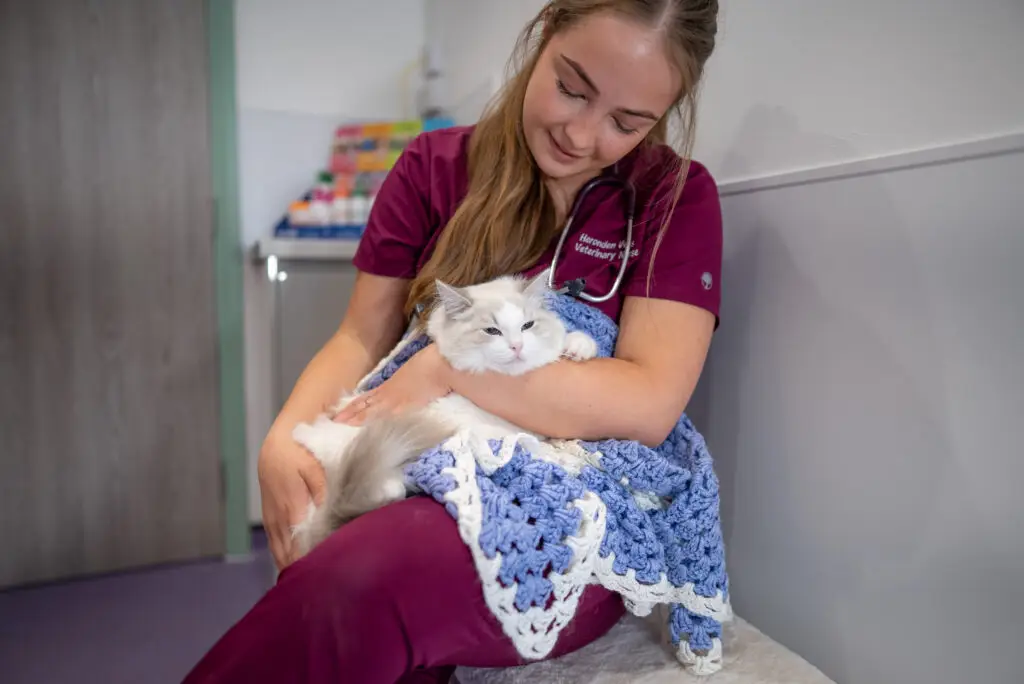
A calm guide from Heronden Independent Vets
Lethargy is one of the most common changes noticed by cat owners, but it can also be one of the hardest to interpret. Cats are famously discreet about feeling unwell. One day they are supervising the household from a sunny windowsill, and the next they are sleeping more, hiding away, eating less, or simply seeming “not quite themselves”.
Lethargy is not a disease in itself. It is a sign that something may be affecting a cat’s energy, comfort or general wellbeing. In some cases, the cause is short-lived. In others, it may be an early warning sign of illness, pain, dehydration, infection or an underlying medical condition.
At Heronden Independent Veterinary Practice, we are based in Tenterden, Kent, and care for cats from the surrounding countryside and nearby communities. For owners searching for independent vets in the UK, our aim is to offer clear, sensible advice while keeping the guidance personal to your cat and your circumstances.
What Lethargy Can Look Like in Cats
Lethargy can be subtle. A cat may not collapse or appear dramatically ill. Instead, owners may notice small but important changes in normal behaviour.
Signs may include:
- Sleeping more than usual
- Hiding or withdrawing from family life
- Reduced interest in play, food or routine
- Moving less or seeming reluctant to jump
- Reduced grooming
- Sitting hunched or looking uncomfortable
- Being quieter, more irritable or less responsive
- Eating or drinking less than usual
- Using the litter tray differently
Because cats often mask pain and illness, a change in routine or personality can be clinically important. If your cat is behaving unusually and your instinct says something is wrong, it is sensible to contact us for advice.
Common Causes of Lethargy in Cats
There are many possible reasons why a cat may become lethargic. Some are relatively minor and may resolve quickly, while others need veterinary assessment.
Possible causes include:
- Stress or changes in routine
- Mild digestive upset
- Dehydration
- Fever or infection
- Dental disease or mouth pain
- Kidney disease
- Thyroid disease
- Diabetes
- Arthritis or chronic pain
- Heart disease
- Anaemia
- Toxin exposure or poisoning
- Injury, abscesses or bite wounds
- Side effects or complications following illness or treatment
Pain is an especially important consideration. Cats can be remarkably skilled at hiding discomfort, and lethargy may be one of the few signs that they are struggling.
When to Contact Heronden Independent Vets
Please contact us promptly if your cat’s lethargy is sudden, severe, persistent, or accompanied by any other worrying signs.
Warning signs include:
- Loss of appetite or eating very little
- Vomiting or diarrhoea
- Weight loss
- Breathing difficulty or open-mouth breathing
- Weakness, wobbliness or collapse
- Pale gums
- Increased hiding or unusual behaviour
- Reduced grooming
- Signs of pain, crying, restlessness or a hunched posture
- Difficulty urinating or repeated trips to the litter tray
- Increased thirst or urination
- Possible toxin exposure, injury or trauma
Cats that are not eating need particular caution. If your cat has eaten very little or nothing for around 12 to 24 hours, please contact us for advice, sooner if they are unwell, elderly, a kitten, overweight, or have an existing health condition.
A cat that is struggling to breathe, collapsing, unable to urinate, or suspected to have eaten something toxic should be treated as urgent. Contact us or an out-of-hours veterinary service without delay.
How Lethargy Is Assessed
The first step is a careful conversation and clinical examination. We may ask when the change began, whether your cat is eating and drinking, whether there has been vomiting or diarrhoea, whether litter tray habits have changed, and whether there is any chance of injury, toxin exposure or stress at home.
Depending on your cat’s symptoms and examination findings, our vets may recommend:
- A physical examination
- Blood tests
- Urine testing
- Blood pressure assessment
- Dental assessment
- Imaging such as X-rays or ultrasound where appropriate
- Further tests if clinically indicated
We will explain the reason for any recommended investigation and discuss options with you. The aim is to understand what is causing the lethargy so that care can be properly targeted.
Treatment and Ongoing Care
Treatment depends entirely on the underlying cause and your cat’s general condition. Some cats may need short-term supportive care, while others may need longer-term management for conditions such as kidney disease, thyroid disease, diabetes, arthritis, dental disease or heart disease.
Treatment may involve:
- Fluid support for dehydration
- Pain relief prescribed by a vet
- Dental treatment
- Dietary advice
- Medicines for infection or chronic disease
- Monitoring and follow-up appointments
- Further diagnostic investigation where needed
Please do not give human medicines, leftover pet medicines, supplements or home remedies unless a veterinary surgeon has specifically advised this for your cat. Some products that are safe for people, or even for dogs, can be dangerous for cats.
Stress, Behaviour and the Home Environment
Not all lethargy is caused by physical illness, although illness should always be considered. Cats are sensitive to changes in their environment, and stress can affect behaviour, appetite, grooming and activity.
Possible triggers include:
- Moving home
- Building work or household disruption
- A new baby, visitor or pet
- Conflict with another cat
- Changes to feeding areas or litter trays
- Loud noises, fireworks or travel
- Loss of a familiar person or animal companion
If there have been recent changes at home, please mention them when you contact us. Behavioural and environmental information can be very helpful, especially when considered alongside a physical health assessment.
Preventive Care and Early Signs
Not every illness can be prevented, but routine healthcare can help identify problems earlier. Regular check-ups, dental care, parasite control, appropriate nutrition, weight monitoring and senior cat health assessments all support long-term wellbeing.
Owners often notice subtle changes before anyone else does. A cat who stops jumping onto a favourite chair, begins sleeping in unusual places, eats less, grooms less, or seems quieter than normal may be giving an early signal that they need help.
Early advice can be especially valuable for older cats, as conditions such as kidney disease, thyroid disease, arthritis, dental disease and high blood pressure may develop gradually.
How Heronden Independent Vets Can Help
When people search for independent vets in the UK, they are often looking for a practice that feels personal as well as clinically careful. Heronden Independent Veterinary Practice is a family-owned, independent practice based in Tenterden, Kent, caring for pets from Tenterden and the surrounding villages.
We value continuity of care, clear communication and thoughtful clinical judgement. Cats, in particular, benefit from calm handling, patience and an understanding of what is normal for them as individuals.
In a countryside community, good veterinary care is not only about tests and treatment. It is also about listening closely when an owner says, “She just is not herself.” Those quiet observations often matter.
Final Thoughts
Lethargy in cats should not be dismissed as simply being tired, particularly when it persists, comes on suddenly, or appears alongside changes in appetite, drinking, litter tray habits, breathing, behaviour or comfort.
If you are concerned about your cat’s energy levels or behaviour, please contact Heronden Independent Vets. We can help you decide whether your cat should be seen, how urgently, and what the safest next step should be.
Important Information
This article is intended as general information for cat owners and is not a substitute for veterinary examination, diagnosis or treatment. Every cat is different. If your cat is unwell, lethargic, not eating, struggling to breathe, unable to urinate, or you are worried, please contact Heronden Independent Vets for advice.
No medicine, supplement or home treatment should be given unless recommended by a veterinary surgeon who has considered your cat’s circumstances. In an emergency, contact the practice or an out-of-hours veterinary service without delay.