
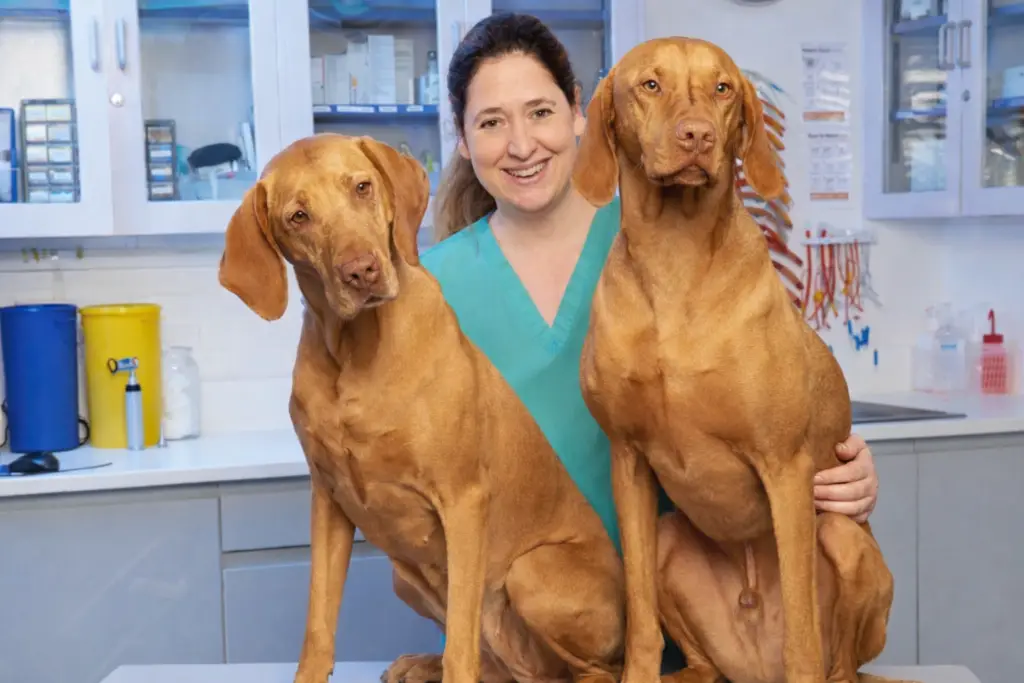
A practical guide from Heronden Independent Vets
Ear problems are one of the more common reasons pets need veterinary attention. An occasional ear infection can often be treated successfully, but recurring ear infections deserve a more careful look. When infections keep returning, there is often an underlying cause that needs to be identified rather than simply treating each flare-up as a separate episode.
At Heronden Independent Veterinary Practice, we are based in Tenterden, Kent, and care for pets from the surrounding countryside and nearby communities. For pet owners searching for Hawkhurst vets, our Tenterden practice is within travelling distance and offers independent, family-owned veterinary care with a focus on continuity, clear advice and getting to know each animal properly.
This article explains how recurring ear infections may be recognised, what can cause them, and when to contact Heronden Independent Vets for advice.
Signs of Ear Problems in Dogs and Cats
Ear infections are more common in dogs than cats, but both species can be affected. Some pets are more prone to ear problems because of allergies, underlying skin disease, ear shape, moisture, hair growth in the ear canal, or other health factors.
Common signs include:
- Frequent scratching around the ears
- Repeated head shaking
- Redness or swelling inside the ear
- Unpleasant smell from the ear
- Discharge or wax build-up
- Sensitivity or pain when the ear is touched
- Rubbing the head against furniture or carpets
- Holding the head to one side
- Changes in behaviour, such as irritability or withdrawal
- Reduced hearing or seeming less responsive
If these symptoms persist, worsen, or return after treatment, it is sensible to contact us. Chronic or recurring ear problems often have an underlying trigger that needs proper assessment.
What Can Cause Recurring Ear Infections?
Recurring ear infections rarely happen without a reason. In many cases, inflammation in or around the ear canal creates the conditions for bacteria or yeast to overgrow.
Possible underlying causes include:
- Allergy-related skin inflammation
- Environmental allergies
- Food allergy or dietary sensitivity
- Ear mites or other parasites
- Excess moisture after swimming or bathing
- Foreign bodies, such as grass seeds
- Hormonal conditions, including thyroid disease
- Skin disease
- Ear canal narrowing or anatomical changes
- Excessive hair growth within the ear canal
- Previous infection that has not fully resolved
- Inappropriate or incomplete treatment
The important point is that repeated ear infections should not simply be accepted as “just something they get”. Identifying and managing the underlying cause can make a meaningful difference to comfort and long-term ear health.
Why Veterinary Assessment Matters
Ear infections can be painful, and ongoing inflammation can make the ear canal more sensitive over time. What starts as mild irritation may become more difficult to manage if the underlying cause is not addressed.
A veterinary assessment helps determine what type of problem is present and whether there are bacteria, yeast, parasites, foreign material, inflammation or other concerns. This matters because different causes need different treatment. Using ear drops, cleaners or over-the-counter products without an examination can delay recovery and may make the problem worse, particularly if the eardrum is damaged or the ear is very inflamed.
At Heronden Independent Vets, we focus on understanding the reason for the recurring problem so treatment can be targeted and proportionate.
How Ear Problems Are Diagnosed
The first step is usually a careful clinical examination and discussion of your pet’s history. We may ask when the symptoms started, how often they return, whether one or both ears are affected, whether your pet has itchy skin or digestive signs, and whether there has been swimming, bathing, grooming or exposure to grass seeds.
Depending on the findings, assessment may include:
- Examination of the ear canal with an otoscope
- Microscopic examination of ear discharge
- Ear swabs or culture where appropriate
- Skin and allergy assessment
- Review of parasite control
- Broader health checks if an underlying condition is suspected
- Further investigations where clinically indicated
We will explain what we find and discuss the most suitable next steps for your pet.
Treatment and Long-Term Management
Treatment depends on the cause, severity and whether the problem is acute, recurring or chronic. Some pets need short-term treatment for infection and inflammation. Others need a longer-term plan to manage allergies, skin disease, moisture, anatomy or other contributing factors.
Treatment or management may involve:
- Professional ear cleaning where appropriate
- Prescription ear medication selected for the individual case
- Anti-inflammatory treatment prescribed by a vet
- Parasite treatment if mites or parasites are found or suspected
- Allergy investigation or allergy management
- Dietary advice where food allergy or sensitivity may be involved
- Advice on safe ear cleaning at home
- Follow-up appointments to check that the infection has resolved
It is important to use prescribed ear medication exactly as directed and to attend recommended follow-up appointments. Ears can look better on the outside before the infection or inflammation has fully resolved.
Preventing Future Ear Problems
Not all ear infections can be prevented, but recurrence can often be reduced when the underlying cause is understood.
Helpful steps may include:
- Regular ear checks, especially in pets with previous ear problems
- Keeping ears dry after swimming or bathing
- Using only vet-recommended ear cleaners
- Avoiding unnecessary cleaning, which can irritate some ears
- Maintaining good parasite control
- Managing allergies or skin disease consistently
- Seeking advice early when head shaking, smell or discharge returns
Please do not put cotton buds, human ear products, essential oils, leftover medicines or unprescribed ear drops into your pet’s ears. The ear canal is delicate, and the wrong product can cause pain or complications.
When to Contact Heronden Independent Vets
Please contact us if your pet has signs of an ear problem that persist, worsen or return after treatment.
You should seek advice promptly if you notice:
- Persistent head shaking or scratching
- Pain when the ear is touched
- Discharge, smell or swelling
- Bleeding from the ear
- A head tilt, loss of balance or unusual eye movements
- Sudden hearing changes
- Repeated ear infections
- Ear symptoms alongside itchy skin, licking paws or recurrent skin problems
- A suspected grass seed or foreign object
A head tilt, loss of balance, severe pain, facial drooping, bleeding, or marked distress should be treated as urgent. Contact us or an out-of-hours veterinary service without delay.
Why Pet Owners Choose Heronden Independent Veterinary Practice
When owners search for Hawkhurst vets, they are often looking for a trusted local veterinary team rather than a one-off appointment. Heronden Independent Veterinary Practice is based in Tenterden, within travelling distance of Hawkhurst and the surrounding villages, and offers independent, family-owned care for pets across this part of Kent.
We value continuity of care, clear communication and thoughtful clinical judgement. Recurring ear problems can be frustrating for owners and miserable for pets, so we take time to look for the reason behind the repeat flare-ups.
In a countryside community, pets are very much part of family life. Whether your spaniel has been in the pond again, your terrier has found the long grass, or your cat has quietly decided one ear is not to be touched, we are here to help with calm, practical advice.
Final Thoughts
Recurring ear infections can be uncomfortable and frustrating, but they are often manageable when the underlying cause is properly identified. Allergies, parasites, excess moisture, foreign bodies, skin disease, hormonal conditions and ear canal changes can all play a part.
If your pet has repeated ear problems, please contact Heronden Independent Vets. We can help assess the cause, explain the options and create a plan that supports both immediate comfort and longer-term ear health.
Important Information
This article is intended as general information for pet owners and is not a substitute for veterinary examination, diagnosis or treatment. Every pet is different. If your pet has ear pain, discharge, repeated infections, balance problems, a head tilt, bleeding, severe discomfort or you are worried, please contact Heronden Independent Vets for advice.
No medicine, ear cleaner, supplement or home treatment should be used unless recommended by a veterinary surgeon who has considered your pet’s circumstances. In an emergency, contact the practice or an out-of-hours veterinary service without delay.
Additional Clinical Safety Information
Please do not place cotton buds, human ear products, essential oils, leftover medicines or unprescribed ear drops into your pet’s ears. Using products without a veterinary examination may delay recovery and can sometimes make problems worse, particularly if the ear is severely inflamed or the eardrum is damaged.
A head tilt, loss of balance, unusual eye movements, severe pain, bleeding, facial drooping or marked distress should be treated as urgent. Please contact the practice or an out-of-hours veterinary service without delay.